Speculative History
/
Dec 7, 2025
I grew up in Chicagoland. Took field trips to the Museum of Science and Industry every year. I loved going down into the coal mine, the U-505 submarine, was obsessed with the intricate miniature castle. I must have walked through that building fifty times before I turned eighteen. It never occurred to me to wonder why it was there. It was just there, the way Lake Michigan was there, the way winter was there. Background architecture. A given.
I've been staring at photographs of the 1893 World's Columbian Exposition for three days now. Not working. Not sleeping well. Just zooming in on details that don't make sense to me, then zooming back out.
That building was the Palace of Fine Arts. The only survivor of the White City. The one they couldn't bring themselves to tear down.
The story we're told
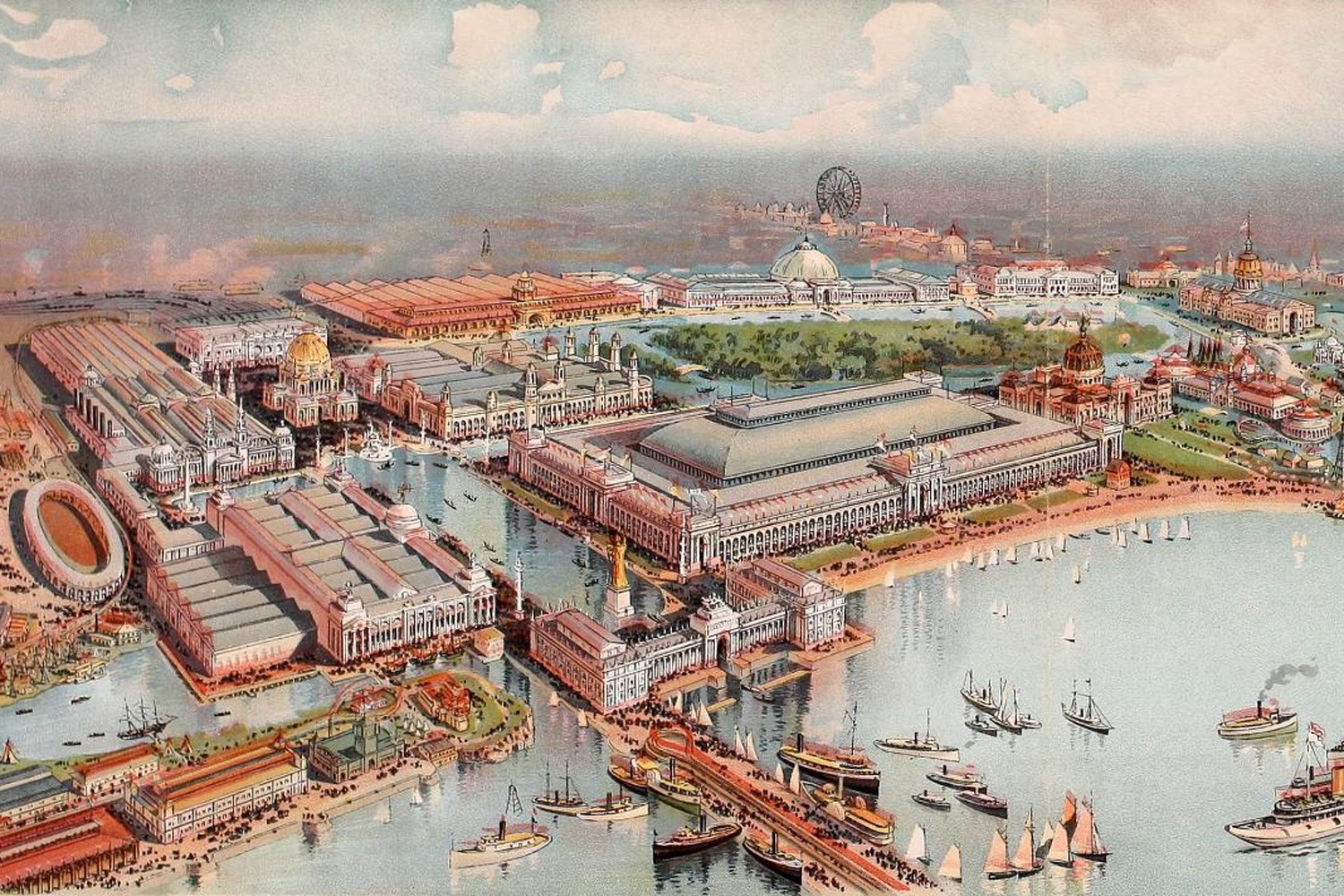
In 1893, Chicago — a city still rebuilding from a fire that had leveled it just twenty years earlier — constructed the White City. Two hundred buildings. 690 acres. Fourteen "great buildings," the smallest of which was larger than most European cathedrals. They did this in two years, in a swamp, during an economic depression.
The Court of Honor alone covered 125 acres of interconnected neoclassical palaces, electrically lit, with running water, gondola canals, and a synchronized system of fountains. The Manufactures and Liberal Arts Building was the largest enclosed space ever constructed — 44 acres under one roof, with a steel frame that wouldn't be rivaled for decades.
Then, six months after the fair closed, they tore almost all of it down.
Staff and plaster, they said. Temporary materials. It was always meant to be demolished.
Okay.
The part where I become a crazy person
Here's what gets me:
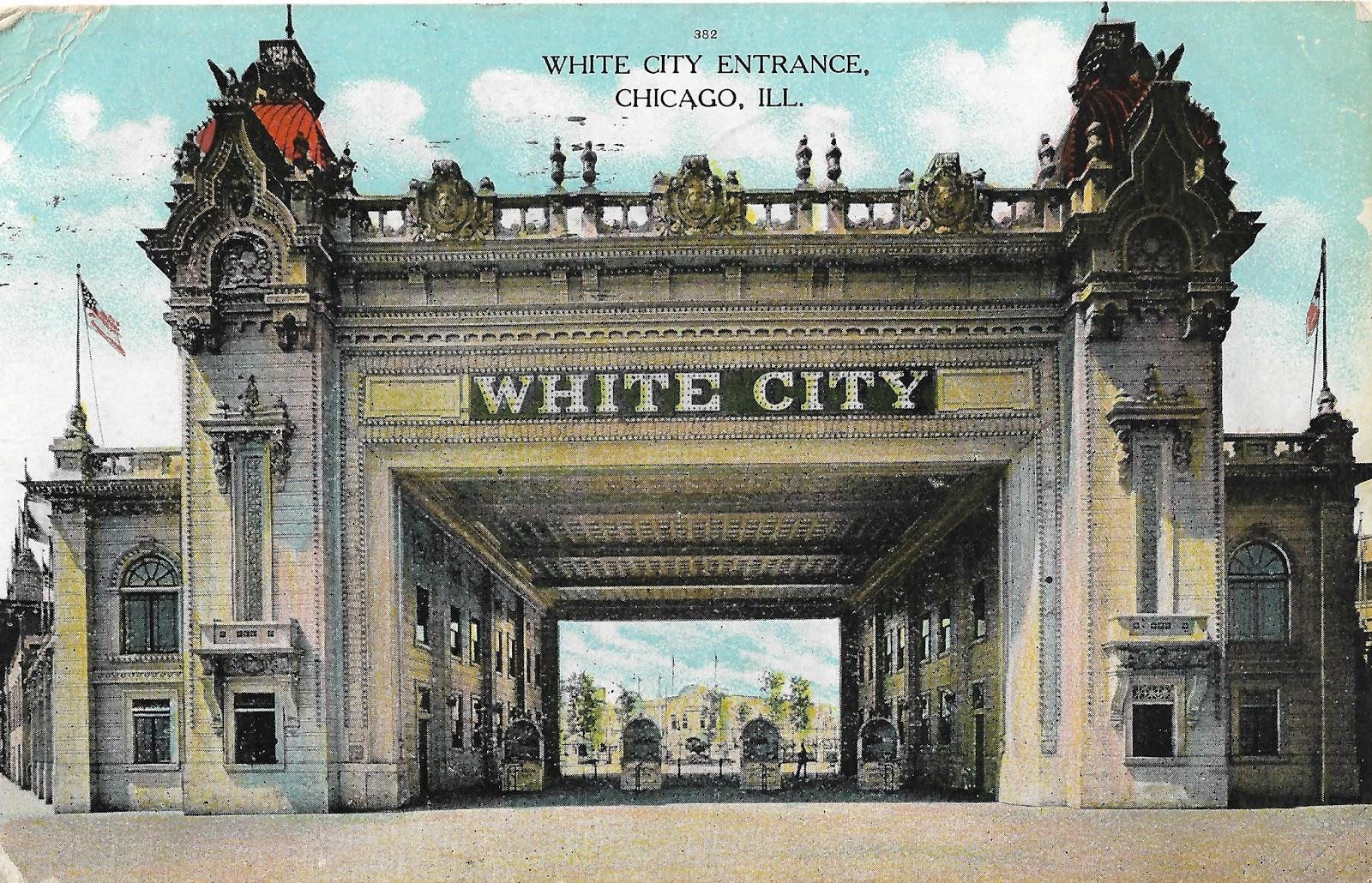
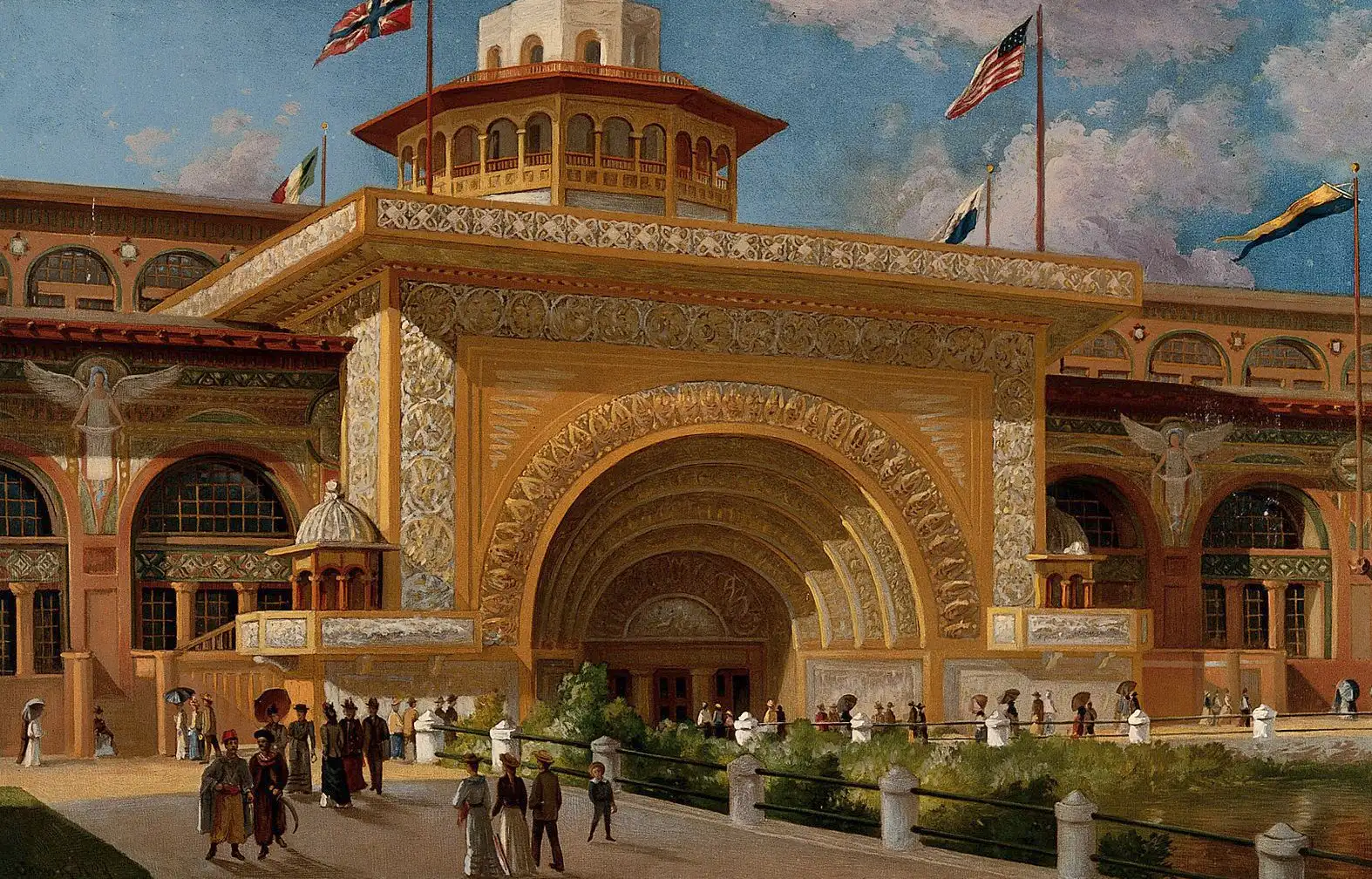
The photographs. I zoom in on the stonework, the capitals, the sculptural details on buildings that supposedly went from blueprint to completion in eighteen months. I've watched a bathroom remodel take longer. I've seen a single public mural require two years of city council meetings.
But sure. They sculpted 65-foot-tall allegorical figures. They cast thousands of ornamental panels. They installed the world's first Ferris wheel — 264 feet tall, carrying 2,160 passengers, engineered from scratch by a man who手d never built one before. They did all of this while simultaneously inventing the modern electrical grid to power it.
And then they burned it down. Exposed it to the elements. Let it rot. Tore it apart for scrap.
The only major building that survived — the Palace of Fine Arts — they said was too beautiful to destroy. It's now the Museum of Science and Industry. Go look at it sometime. Tell me that building was slapped together in a year and a half as a temporary exhibit hall.
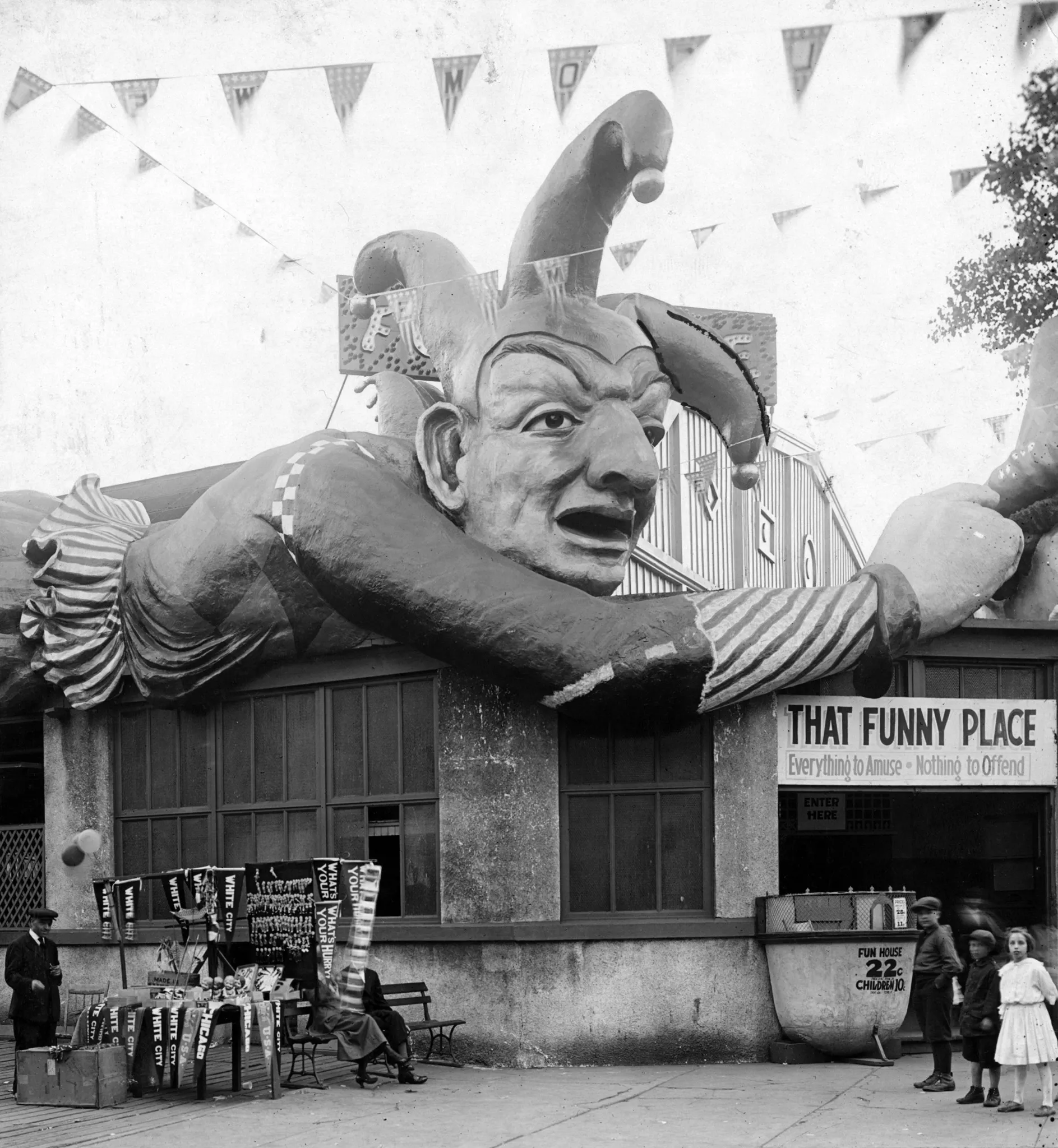
A fiction
This is where I tell you a story that isn't true. A story I don't believe. A story that I'm writing because something in me wants it to be true, even though I know it isn't.
What if the White City was already there?
What if Chicago wasn't rebuilt from nothing after the Great Fire, but over something? What if the fair wasn't constructed but excavated — unearthed from the mud of Lake Michigan's shore, cleaned off, wired up with Mr. Tesla's new electricity, and presented to the world as proof of American ingenuity?
What if the reason they tore it down wasn't that it was temporary, but that it was evidence?
In this fiction, there was a civilization before. Not Atlantis, not aliens — just people. People who built differently than we do now. Who understood proportion and resonance and materials in ways we've forgotten. Their cities fell — or were buried, or were flooded — and the world moved on. Trees grew. Rivers shifted. New people arrived and built wooden houses over marble foundations they didn't understand.
And every so often, someone would dig too deep and find something impossible. A dome. A column. A hall of mirrors with no seams.
The men who planned the World's Fair knew. They'd found maps, or records, or maybe just a door in the wrong place that led down instead of out. They spent two years not building, but uncovering. They brought in workers who were told they were constructing, but were actually cleaning. They installed gas lines in buildings that already had channels running through the walls for purposes no one could explain.
And when the fair ended, they had a choice: tell the world that history was a lie, or bury it again.
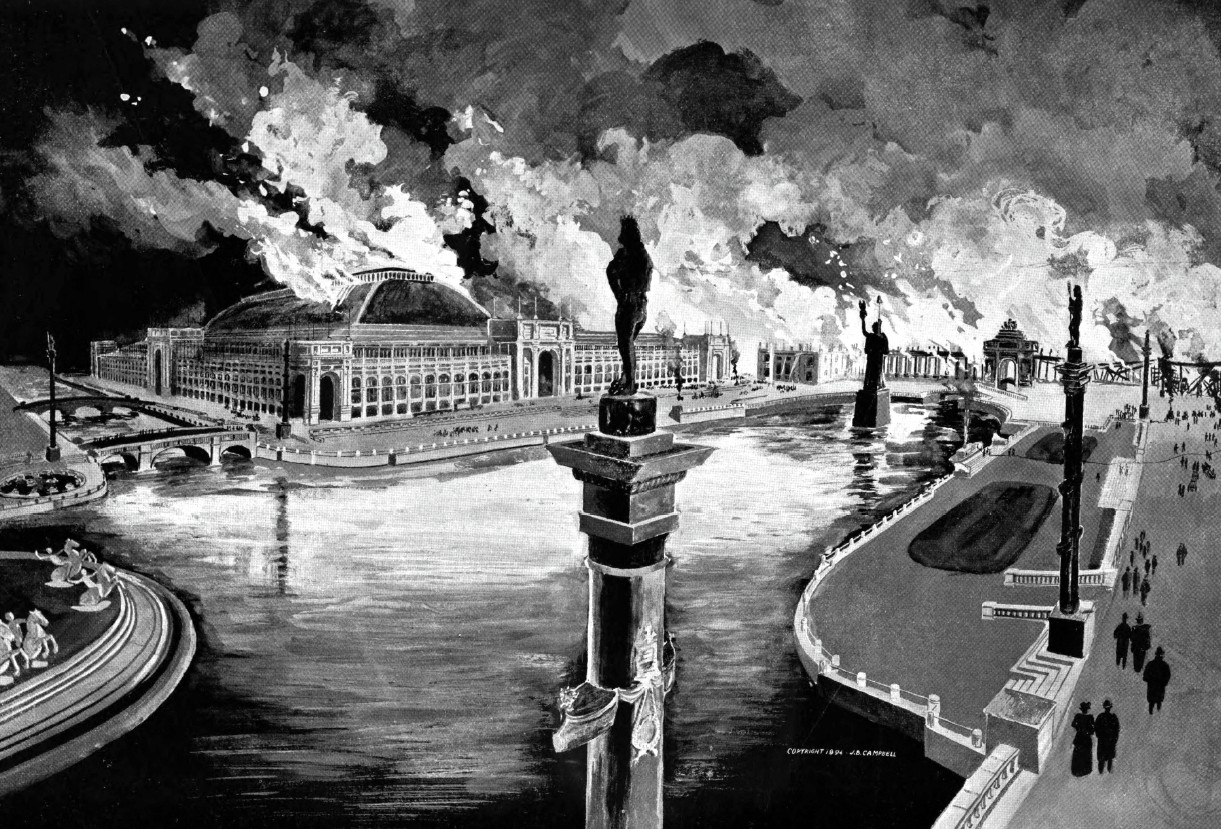
Back to reality
I don't believe this. I want to be clear. I'm a person who makes things for a living, and I know how things get made. I know about supply chains and labor and the impossible alchemy of turning money into matter. The White City was a miracle of logistics, not a cover-up.
But I also know that we don't build like that anymore. We can't, or we won't. Our world's fairs are corporate pavilions and gift shops. Our public spaces are designed to be defensible, cleanable, litigable. We build things that are meant to survive, and they're mostly ugly.
The White City was built to be destroyed, and it was the most beautiful thing we ever made.
I don't know what to do with that. So I just keep zooming in on the photographs, looking for something. A seam. A date stamp. A crack in the story.
I haven't found one yet.
— December 2025